

When Your Dog Needs You Most: How to Understand Anxiety in Dogs
Anxiety Shows Up in Different Ways in Dogs
When you understand how anxiety shows up, you give yourself the ability to respond earlier, reduce stress in daily situations, and create a safer emotional space for your dog at home and outside.
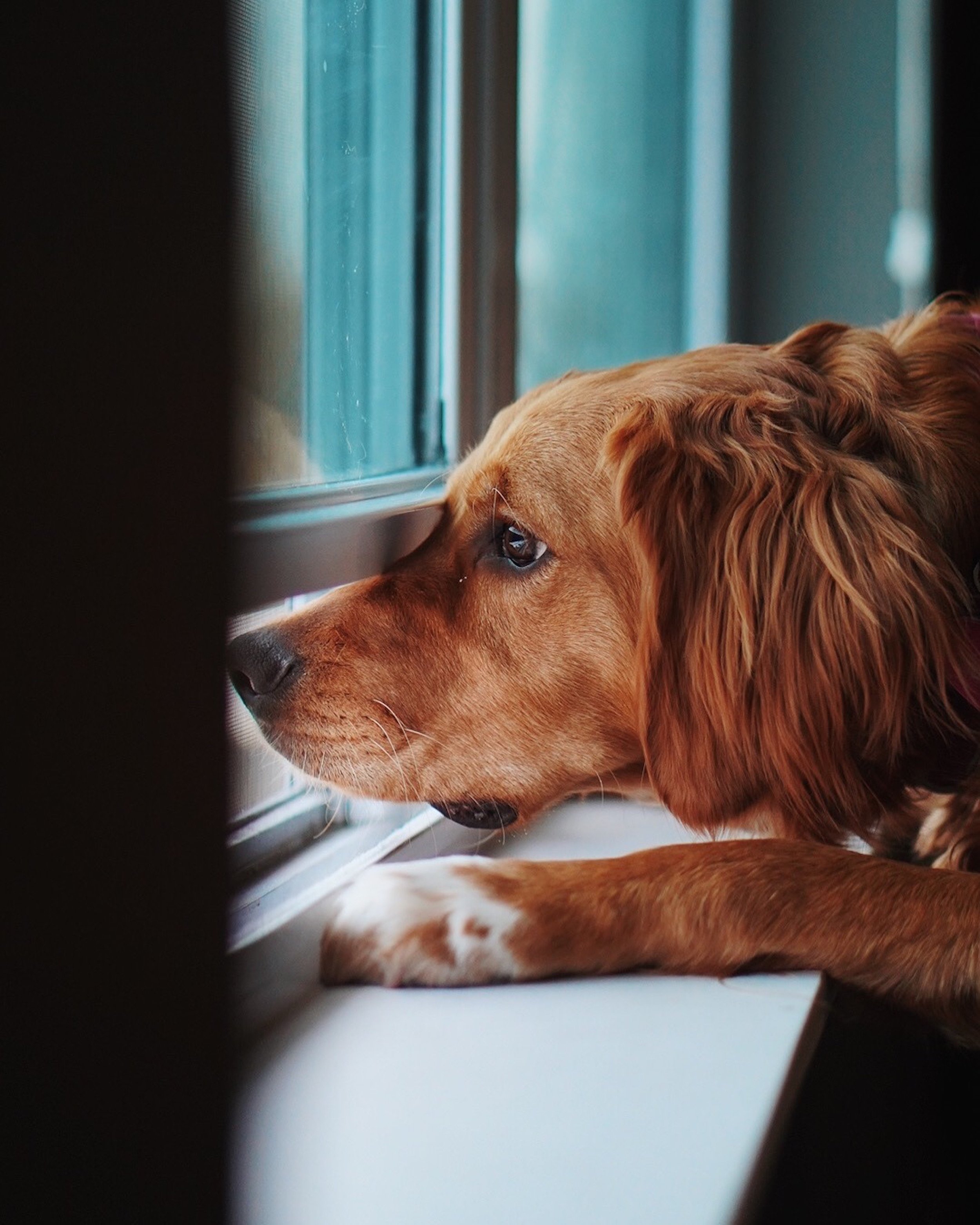
There are moments when you notice your dog sitting in a corner long after the room has gone quiet, their eyes alert but uneasy, as if something in the environment still feels unsettled to them. You might call their name, and they respond, but their body does not fully relax. That moment often gets dismissed as “just being sensitive,” yet it can be one of the clearest signs that your dog is dealing with anxiety.
From May 4–10, 2026, is Dog Anxiety Awareness Week. This time, you are reminded to notice those small moments more closely and understand what your dog is trying to communicate through behavior rather than words.
When you understand how anxiety shows up in dogs, you give yourself the ability to respond earlier, reduce stress in daily situations, and create a safer emotional space for your dog at home and outside.
Signs When Your Dog Feels “Off” but Cannot Explain It
Sudden panting and pacing inside the house
You might notice your dog panting even though the room is cool and they have not been active. This kind of panting often looks fast and shallow, and it can go on for several minutes without stopping. Along with this, your dog may start pacing back and forth across the same path in your home, like from the door to the couch and back again. They may pause for a second, look around, then continue pacing as if they cannot settle.
This behavior usually happens when your dog feels uneasy but cannot identify what is causing it. You might also see them checking doors, windows, or corners of the room repeatedly. Even when you try to get them to lie down, they may resist or get up quickly after a few seconds.
When panting and pacing happen together indoors without a clear reason, it is often a strong sign that your dog is feeling anxious.
Hiding in tight or unusual spaces
Some dogs respond to anxiety by trying to make themselves feel physically safe. You might find your dog hiding under tables, squeezing behind furniture, or staying in corners they do not usually use. In more intense moments, they may try to go into closets, bathrooms, or any enclosed space they can find.
This behavior often becomes more noticeable during loud events or when there are sudden changes in the environment. Your dog may stay in that spot for long periods and hesitate to come out, even when you call them. They might also curl up tightly, keeping their body low and still.
If your dog suddenly starts choosing hidden or enclosed spaces more often, especially in situations where they used to be comfortable, it usually means they are trying to create a sense of safety on their own.
Refusing food or walking away from meals
A dog that normally gets excited about food may suddenly lose interest when feeling anxious. You might place their food down and notice they sniff it, but walk away without eating. Some dogs will come back later once they feel calmer, while others may skip the meal entirely.
This change can happen even if nothing about their diet has changed. You may also notice them eating much more slowly than usual or stopping in the middle of a meal. In some cases, they might look distracted while eating, constantly lifting their head as if they are listening for something.
When appetite changes happen alongside other signs like restlessness or hiding, it often points to emotional stress rather than a physical issue. It is your dog’s way of showing that something feels off in their environment.
Scratching doors, windows, or trying to escape
An anxious dog may try to get out of a space they feel trapped in. You might see them scratching at doors, pawing at windows, or pushing against barriers more than usual. This is not casual scratching. It tends to look urgent and repeated, sometimes leaving marks or making noticeable noise.
If your dog suddenly becomes focused on escaping, especially during certain times or events, it usually means they are trying to get away from something that feels overwhelming.
Freezing, staring, or reacting strongly to small sounds
Another very specific sign of anxiety is when your dog suddenly stops moving and focuses intensely on something you might not even notice. They may freeze mid-step, stare toward a door or window, and stay completely still for several seconds. After that, they might react quickly by barking, moving away, or staying alert.
In some cases, this can repeat multiple times in a short period, making it hard for your dog to relax. When your dog becomes overly alert to small or distant sounds, it is often a sign that their stress level is already elevated, and they are struggling to feel at ease in their environment.
Causes of Anxiety During the Summer Season
Fireworks nights that feel normal to you but confusing to them
Fireworks are one of the strongest triggers for dog anxiety during the summer season. You know when they are coming. Your dog does not. To them, the sound is sudden, loud, and completely unpredictable. That combination can create fear very quickly.
You may notice your dog reacting before the fireworks even start. They might become restless in the evening or stick closer to you earlier than usual. This is because dogs can sometimes pick up on patterns from past experiences and begin anticipating stress before it happens again.
During fireworks, your dog might hide, shake, pace, or try to escape enclosed spaces. These reactions are not bad behavior. They are your dog trying to protect themselves from something they cannot understand or control.
Travel days that turn everything familiar upside down
Travel can be exciting for you, but for dogs, it often feels like a full environmental shift. Car rides alone can trigger stress because of movement, noise, and lack of control. If your dog is not used to traveling, even short trips can feel overwhelming.
You might see drooling, pacing, whining, or refusal to settle during the ride. Once you arrive somewhere new, your dog may take time before they can relax again. Everything smells different, sounds different, and feels unfamiliar.
Even small changes like sleeping in a different place or eating at a different time can affect how your dog adjusts. Dogs rely heavily on routine, so travel can temporarily remove their sense of structure.
New outdoor sounds, social gatherings, and too much happening at once
Summer also brings more outdoor activity, which means more stimulation for your dog. There are louder streets, more gatherings, and unfamiliar people moving around. Your dog might not know how to process all of this at the same time.
You may notice them pulling away from crowds or trying to stay near exits during busy environments. Some dogs become more reactive by barking or jumping at sudden sounds. Others shut down and become very quiet.
These responses are not about disobedience. They are signs that your dog is overwhelmed and trying to find safety in a situation that feels too intense.
How to Prevent Anxiety in Everyday Situations
Build a consistent daily routine
A consistent routine helps your dog feel more secure in their environment. When your dog knows what to expect, they are less likely to feel stressed by uncertainty. This includes regular feeding times, walks, and rest periods.
You might notice that your dog becomes calmer when their day follows a predictable structure. Even small disruptions can affect their sense of stability, so maintaining consistency can reduce unnecessary stress.
When changes are necessary, gradual adjustments often help your dog adapt more comfortably. Sudden shifts can increase anxiety, while slow transitions give your dog time to adjust.
Prepare your dog for known triggers
Preparation can reduce how strongly your dog reacts to stressful situations. If you know fireworks or loud events are coming, you can begin adjusting your dog’s environment ahead of time. This helps your dog feel less surprised by sudden changes.
You may also observe how your dog reacts to smaller sounds during the day and use that information to prepare for larger events. This allows you to understand their sensitivity levels more accurately.
By preparing early, you reduce the intensity of your dog’s reaction and help them feel more supported during stressful moments.
Create a safe space at home
A safe space gives your dog a place where they can retreat when they feel overwhelmed. This area should be quiet, comfortable, and familiar to them. It can help reduce stress when external noise or activity increases.
You might notice that your dog naturally chooses certain spots in the house when they feel anxious. Supporting this behavior by keeping those areas accessible can help them regulate their emotions.
A safe space does not remove anxiety completely, but it provides comfort during stressful situations and helps your dog recover more quickly.
How to Help and Soothe Your Dog When Anxiety Appears
Respond calmly during anxious moments
Your reaction during your dog’s anxious moments plays a significant role in how they recover. When you stay calm, your dog often feels less pressured to escalate their stress response. Your presence alone can provide reassurance.
Speaking in a steady and soft tone helps your dog settle more easily. Avoid sudden movements or loud reactions, as these can increase their stress. Your goal is to create a stable environment in that moment.
Consistency in how you respond helps your dog understand that they are safe, even when something around them feels uncertain.
Long-term support through training and familiarity
Over time, training can help your dog build confidence in different situations. This does not happen quickly, and it requires repetition and patience. Exposure to mild versions of triggers in controlled environments can help reduce sensitivity.
Reinforcing calm behavior also helps your dog understand what is expected during stressful moments. This creates a clearer sense of communication between you and your dog.
Long-term support focuses on helping your dog build trust in their environment and in your response to their stress.
Tools and supportive strategies
There are different supportive approaches that can help your dog feel more comfortable during anxiety episodes. These may include calming environments, familiar objects, or structured routines. Each dog responds differently, so observation is important.
You may notice that certain strategies work better over time as you learn more about your dog’s specific triggers. Adjusting your approach based on their responses helps create a more supportive environment.
The goal is to reduce stress levels and help your dog feel more secure in daily life.
When You Should Seek Professional Help
If your dog’s anxiety becomes frequent or intense, a veterinarian can help you understand what is happening. They can rule out medical conditions that may contribute to behavior changes. This step is important because not all anxiety-like behavior is purely behavioral.
Professional guidance gives you clearer direction on how to manage your dog’s condition. This can include recommendations tailored to your dog’s specific needs.
Getting professional support early can prevent anxiety from becoming more severe over time.
Show Up for Your Dog When It Matters Most
Dog Anxiety Awareness Week is a reminder for you to slow down and really notice how your dog moves through their day. Small changes in behavior can tell you a lot when you take the time to look. When you start recognizing these signs early, you are in a better position to respond before your dog feels overwhelmed. With summer coming in, the environment around your dog can shift quickly, and those changes can bring added stress if you are not prepared for them.
At NFAWL, we understand how important that connection is between you and your dog. You are not expected to figure everything out on your own. When you have the right guidance and support, it becomes easier to care for your dog in a way that feels calm, steady, and informed. This week is a good place to start, but the goal is to carry that awareness forward so your dog continues to feel supported long after it ends.