
How to Keep Your Cat Happy, Healthy & Enriched All Year Long
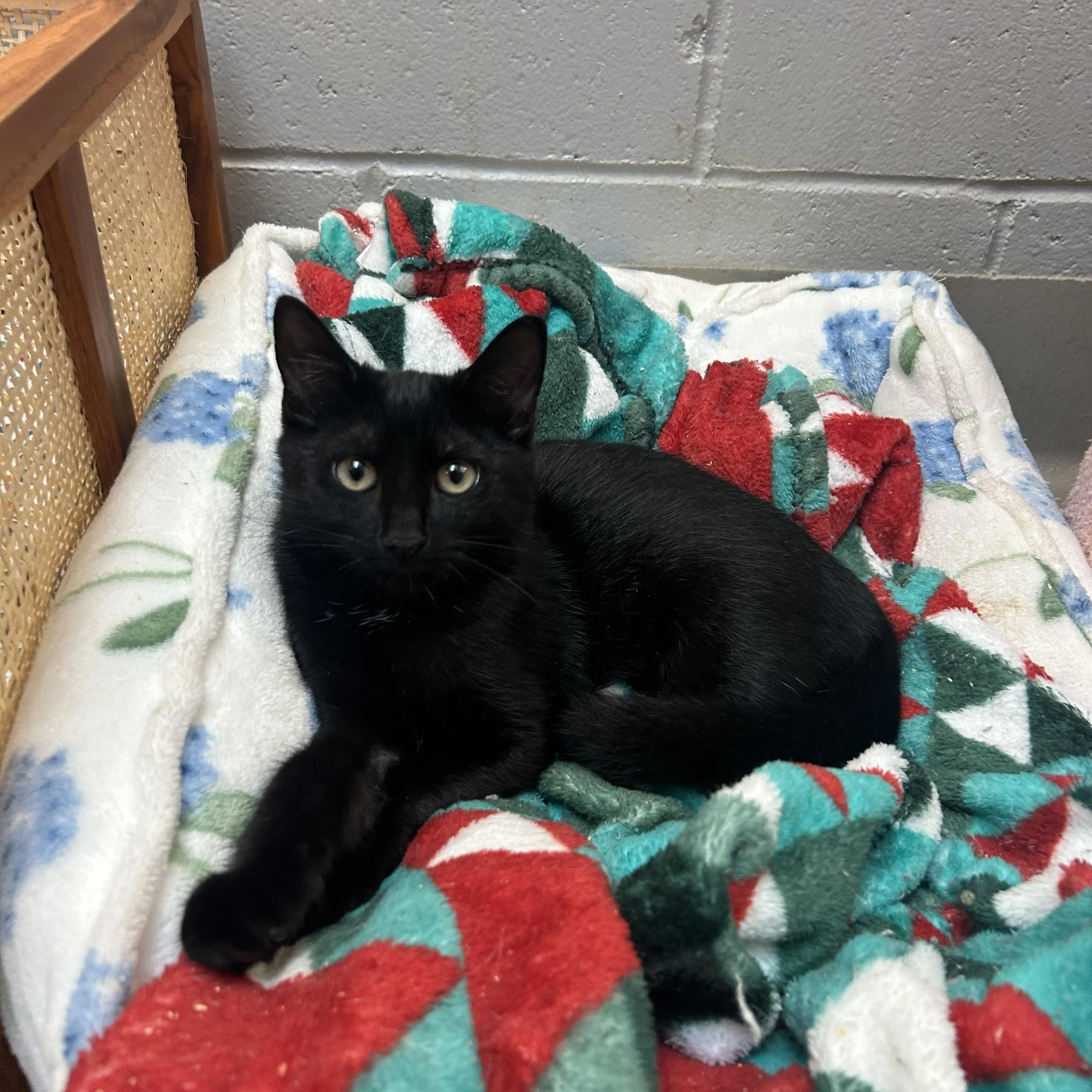
This is Hannah
Hannah is a young female, who is currently at our Southold shelter location, waiting to meet you.
September is Happy Cat Month, making it a wonderful time to celebrate the cats who bring curiosity, comfort, and plenty of personality into our homes. But keeping a cat happy and healthy is not just about giving them a full food bowl and a comfortable place to sleep.
Cats have physical, emotional, and behavioral needs that can be easy to overlook. They need opportunities to play, explore, scratch, climb, rest, and satisfy their natural instincts. They also depend on us for preventive healthcare and a safe environment.
At North Fork Animal Welfare League, protecting animals means more than finding them loving homes. It also means helping pet owners understand what their animals need to thrive. A few thoughtful changes to your cat's daily environment can make a meaningful difference in their quality of life.
Create an Environment That Encourages Exploration
Cats are naturally curious. Even indoor cats benefit from having an environment that gives them opportunities to explore and make choices.
Think beyond the traditional food bowl and cat bed. Provide different places for your cat to rest, hide, climb, and observe what is happening around them. Cardboard boxes, cozy beds, tunnels, and cat trees can all give cats safe spaces to investigate.
This type of environmental enrichment is particularly important for indoor cats. When their environment offers variety, they have more opportunities to engage their natural behaviors rather than becoming bored or inactive.
You do not have to spend a fortune creating an enriching home. Sometimes a cardboard box, paper bag, or a new perch near a window can become your cat's favorite place.
Make Time for Interactive Play
A cat may spend much of the day sleeping, but that does not mean they do not need exercise and mental stimulation.
Interactive play allows cats to practice behaviors that come naturally to them, including stalking, chasing, pouncing, and batting. Wand toys, feather toys, and other interactive toys can turn a few minutes of play into meaningful enrichment.
Try scheduling short play sessions throughout the day rather than expecting your cat to entertain themselves. Follow their lead and pay attention to what gets their attention. Some cats love chasing toys across the floor, while others prefer toys they can stalk from a hiding place.
Play is also a wonderful way to strengthen the bond between you and your cat.
Give Them a Window on the World
For many indoor cats, a window can be more than a source of sunlight. It can provide hours of stimulation.
A secure window perch gives your cat a place to watch birds, squirrels, people, and everything else happening outside. This simple addition can provide visual and mental enrichment without exposing your cat to the risks associated with roaming outdoors.
Just make sure windows are securely screened and that your cat cannot accidentally escape. A safe view of the outside world can offer all the excitement without putting your companion in unnecessary danger.
Scratching Is a Healthy Behavior
If your cat scratches the furniture, it can be tempting to think of scratching as a problem that needs to be stopped. In reality, scratching is a normal and important feline behavior.
Cats scratch to stretch their bodies, maintain their claws, mark territory, and release energy. Instead of trying to eliminate the behavior, give your cat appropriate places to do it.
Offer scratching posts or pads in areas where your cat spends time. Some cats prefer vertical surfaces, while others prefer horizontal ones, so providing both can help you discover what your cat likes best.
When you give cats an appropriate outlet for natural behaviors, everyone in the household benefits.
Nutrition Matters More Than You Think
A healthy diet is one of the foundations of your cat's overall well-being. Cats have specific nutritional requirements, and their needs can change depending on their age, weight, activity level, and health.
Choose a complete and balanced food appropriate for your cat's life stage, and avoid making major dietary changes without speaking with your veterinarian. Portion control is also important. An indoor cat may not burn as many calories as a highly active cat, and excess weight can contribute to health problems.
Fresh, clean water should always be available. If your cat does not drink much from a traditional bowl, you can ask your veterinarian about other ways to encourage healthy water intake.
Do Not Skip Preventive Veterinary Care
One of the best things you can do for your cat is also one of the easiest to overlook: schedule regular veterinary visits.
Cats are remarkably good at hiding signs of illness. A cat may appear perfectly fine while a health issue is developing, which makes routine veterinary care especially important. Regular examinations allow your veterinarian to monitor your cat's health, discuss vaccinations and parasite prevention, check weight, and identify potential concerns early.
Do not wait until something seems seriously wrong before seeking veterinary care. Prevention and early intervention can make a significant difference in your cat's health and comfort.
Indoor or Outdoor? Put Safety First
There is no single environment that works for every cat, but safety should always be part of the conversation.
Indoor cats are protected from many outdoor dangers, including traffic, predators, fights with other animals, infectious diseases, and exposure to certain toxins. They can also live happy, fulfilling lives indoors when their physical and mental needs are met.
For cats who do spend time outdoors, responsible supervision and appropriate precautions are essential. Consider your cat's individual temperament and your environment, and talk with your veterinarian about ways to reduce potential risks.
The goal is not simply to keep a cat inside or outside. The goal is to provide an environment where they can safely thrive.
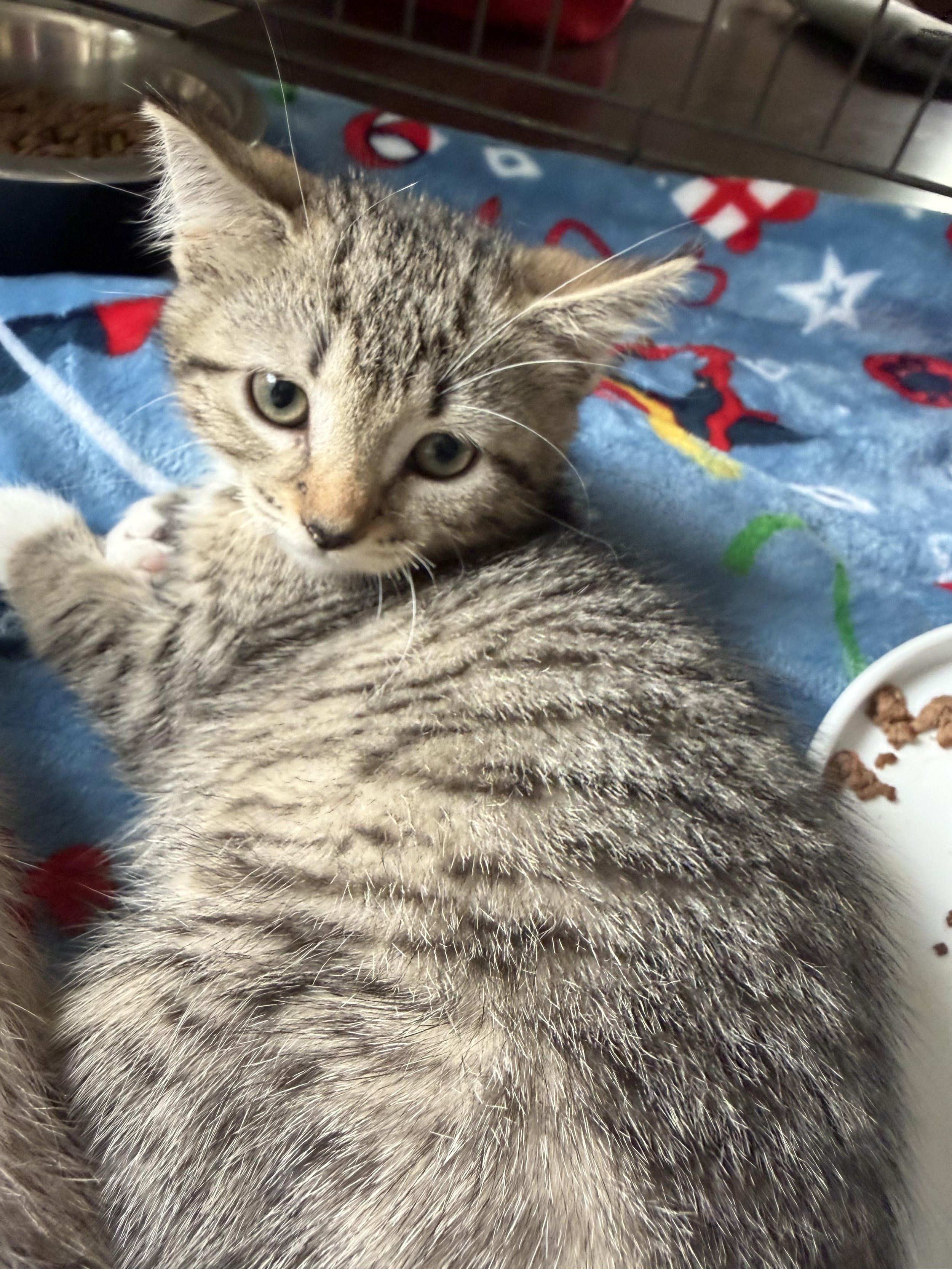
Meet Pip
This baby might be little in size; but certainly not spirit! Meet her at our Aquebogue shelter location.
Keep Their Minds Busy
Physical activity is only part of a cat's well-being. Mental stimulation matters, too.
Rotate toys so they remain interesting. Hide small amounts of food for your cat to discover. Introduce puzzle feeders or simple food enrichment activities. Create safe places to climb and observe. Even changing the location of a toy or adding a new cardboard box can give a curious cat something new to investigate.
Pay attention to your cat's personality. Some cats are natural explorers, while others prefer quiet routines and familiar surroundings. Enrichment should never overwhelm your pet. Give them choices and allow them to engage at their own pace.
Happy Cats Need More Than the Basics
A happy cat is not necessarily the cat with the most toys or the biggest cat tree. It is the cat whose physical, emotional, and behavioral needs are understood and supported.
A comfortable place to rest. A safe place to scratch. Time to play. A nutritious diet. Regular veterinary care. Opportunities to explore. A predictable routine. And, perhaps most importantly, a person who pays attention to who they are.
At North Fork Animal Welfare League, we believe responsible pet care is an important part of protecting animals. Our work does not stop when a pet finds a home. Educating our community helps ensure that cats and dogs have the care, safety, and quality of life they deserve.
This Happy Cat Month, take a fresh look at your cat's world. Is there a new game you can introduce? A window perch you can add? A veterinary appointment you have been putting off? A few small changes can make your cat's days more interesting, healthier, and happier.
And if you are thinking about adding a feline companion to your family, consider giving a shelter cat the chance to experience that kind of life. Visit northforkanimalwelfareleague.org/adopt to meet cats waiting for their forever homes and learn more about adoption.
A happy cat starts with a caring human. This September, let's make sure every cat gets the chance to thrive.